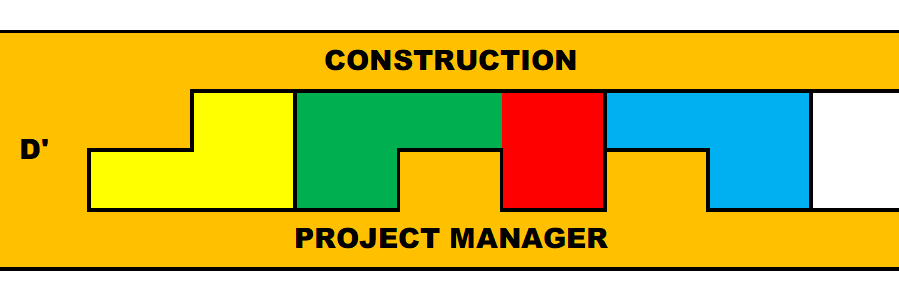
In construction, the choices made before the first shovel hits the ground often determine the project’s fate. One of the most critical yet often underestimated decisions is the contract packaging strategy—how the Owner decides to divide, allocate, and manage scopes of work before the bidding process begins.
Without a well-defined strategy, Owners risk scope overlaps, gaps in responsibilities, disputes over accountability, and, ultimately, project delays and cost overruns.
What is Contract Packaging Strategy?
Contract packaging is the process of defining how construction works will be contracted and delivered. It sets the playing field for all bidding contractors and influences risk allocation, coordination, and even project financing.
Common approaches include:
- General Contractor (GenCon) – The Owner awards the entire scope to one contractor, who then manages subcontractors.
- Multiple Prime Contracts – The Owner contracts directly with several trade contractors (e.g., structural, MEPF, finishes), requiring tighter Owner coordination but allowing more control.
- Nominated Subcontractors – The Owner designates specific subcontractors (often for specialist works) to be engaged by the main contractor, blending Owner preference with contractor management.
- Construction Management at Risk (CMAR) or Design-Build – Alternatives where the Owner transfers more responsibility for integration to a lead party.
Why Establishing Strategy Matters?
>Scope Clarity and Accountability
Clearly defined packages ensure no overlaps or scope gaps between contractors. Everyone knows exactly what they own, reducing disputes.
>Risk Allocation
Owners can decide whether to centralize risk with a single general contractor or spread it among specialized trades.
>Budget Control
Packaging can influence competitiveness—more prime contracts may increase bids but reduce markups, while a GenCon model provides lump-sum predictability.
>Schedule Alignment
Multiple primes allow parallel workstreams, while a GenCon simplifies coordination. The right choice depends on project priorities.
>Owner Involvement
Some strategies require heavy Owner oversight (multiple primes), while others reduce Owner burden (GenCon). Owners must align strategy with their project management capacity.
Planning a Wedding
Imagine organizing a wedding. You could:
- Hire a full-service wedding planner (GenCon) to handle everything—from catering to flowers to music—while you just approve decisions.
- Directly hire separate vendors (multiple primes) for catering, photography, décor, and music. This gives you more control but demands more coordination.
- Choose your preferred suppliers (nominated subcontractors)—like insisting on a specific band or cake shop—but still let the planner manage them.
Without deciding your approach early, you risk chaos: duplicated services, missing essentials, and endless finger-pointing. But when you choose the right strategy up front, the event flows smoothly, and you get exactly the wedding you envisioned.
Construction projects are no different. The Owner’s choice of contract packaging before bidding sets the tone for coordination, accountability, and cost efficiency throughout the project.
Key Takeaway:
For Owners, defining contract packaging before bidding is not optional, it is the foundation. It shapes the bidding environment, aligns responsibilities, and creates a roadmap for successful project delivery. Just as a wedding without a plan leads to chaos, a construction project without a contract strategy risks confusion, cost, and conflict.