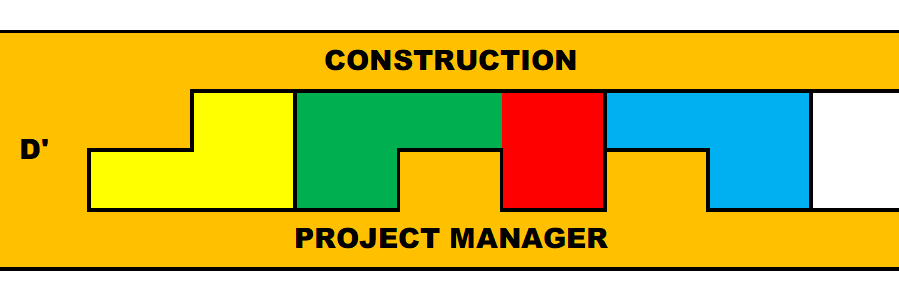
In every construction project, careful planning serves as the foundation for successful execution. While schedules, budgets, and designs often take center stage during the planning phase, one critical element tends to be overlooked: the discussion of possible project risks.
Too often, risks are only taken seriously when they materialize on site delays, accidents, design conflicts, or cost overruns. By then, mitigation measures tend to be reactive, costly, and disruptive to progress. The better approach is to anticipate these risks during the planning stage and prepare strategies before they happen.
Why Early Risk Discussion Matters?
Prevention Over Cure
Identifying risks early allows the project team to prevent problems from arising in the first place. For example, foreseeing potential supply chain issues enables procurement to plan alternatives in advance, avoiding delays that would otherwise ripple across the schedule.
Cost Control
Mitigating risks during construction often leads to expensive adjustments—rework, penalties, or overtime labor. By recognizing these risks ahead of time, project owners and managers can allocate contingency budgets wisely rather than scrambling for funds later.
Team Alignment
Early discussions foster a culture of awareness among all stakeholders. When everyone understands the risks, responsibilities, and mitigation strategies, the team is more prepared to respond effectively and cohesively.
Stronger Decision-Making
Risk assessment during planning equips decision-makers with better data and foresight. Instead of reacting under pressure, leaders can make proactive, well-informed decisions that keep the project on track.
Driving with a GPS vs Driving Blindfolded
Imagine you’re embarking on a long road trip. If you use a GPS before starting, you’ll know about road closures, traffic, or detours ahead of time. You can plan your route accordingly, saving time and avoiding frustration.
But if you choose to drive without preparation and only react when you hit a dead end, you’ll waste fuel, time, and energy figuring things out on the fly. Construction projects are no different. Early risk planning is the GPS it highlights potential obstacles so you can navigate around them instead of being blindsided later.
Conclusion
Construction projects are complex undertakings with numerous moving parts. By addressing possible risks during the planning stage, project teams gain foresight, control, and confidence. It’s not about eliminating risks entirely, because that’s impossible, but about being prepared so that when challenges arise, they don’t derail the project.
Ultimately, early risk management is not just good practice: it’s the difference between a smooth journey and a costly detour.