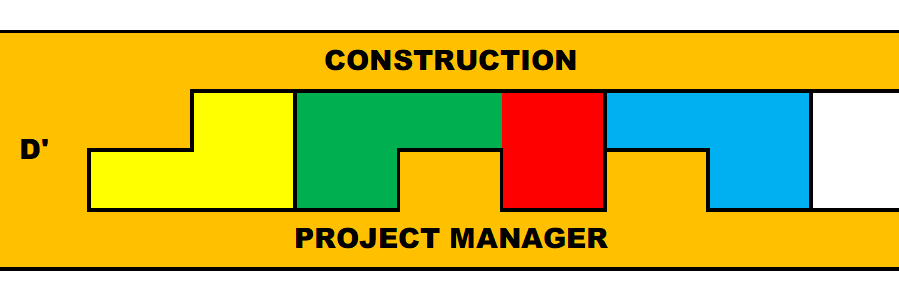
In construction and project bidding, clarity is currency. Yet, not every scope of work arrives neatly defined. Hidden within specifications, drawings, and contract documents are “grey areas”; uncertain, incomplete, or open-to-interpretation elements that can significantly impact cost, timelines, and project success. Ignoring these ambiguities during bid preparation is a common but costly mistake.
Understanding Grey Areas in Scope of Work
Grey areas refer to portions of the project scope that are not explicitly detailed or are subject to multiple interpretations. These may arise from:
- Incomplete drawings or specifications
- Overlapping responsibilities between trades
- Undefined quantities or provisional items
- Vague descriptions such as “as required,” “by others,” or “typical installation”
While they may appear minor during bid preparation, these uncertainties can evolve into major disputes, change orders, or financial losses during project execution.
Why Addressing Grey Areas Matters
A well-prepared bidder does not simply price what is clear: they actively investigate what is unclear. Addressing grey areas ensures:
1. Accurate Costing
Unclear scope can lead to underestimation or overpricing. By identifying and pricing these uncertainties, bidders protect their margins and remain competitive.
2. Risk Mitigation
Grey areas often translate into risk. Proactively clarifying or qualifying them in the bid reduces exposure to unexpected costs later.
3. Stronger Contract Position
Documenting assumptions and exclusions related to grey areas creates a defensible position if disputes arise.
4. Professional Credibility
Clients and consultants recognize bidders who raise intelligent queries and demonstrate a deep understanding of the project.
Practical Strategies for Handling Grey Areas
- Conduct a Thorough Review: Cross-check drawings, specifications, and BOQ to identify inconsistencies.
- Raise Clarifications Early: Submit Requests for Information (RFIs) before bid submission.
- State Assumptions Clearly: If clarification is not provided, include well-defined assumptions in your bid.
- Include Contingencies Where Necessary: Allocate reasonable allowances for uncertain scope elements.
- Leverage Experience: Use past projects to anticipate typical omissions or overlaps.
The Foggy Road Trip
Preparing a bid with grey areas is like planning a road trip through a foggy mountain pass. You may know your destination and the general route, but visibility is limited. If you proceed at full speed without caution, you risk missing turns or encountering hazards. A wise driver slows down, uses headlights, and prepares for unexpected conditions. Similarly, a smart bidder identifies unclear areas, seeks clarity, and plans for uncertainties rather than blindly proceeding.
As such, grey areas in the scope of work are inevitable: but unmanaged ambiguity is not. The difference between a risky bid and a resilient one lies in how these uncertainties are handled. By actively identifying, clarifying, and accounting for grey areas, bidders not only protect themselves financially but also demonstrate professionalism and foresight.
In short, grey areas in a project’s scope of work are ambiguous or undefined elements that can lead to financial risk and disputes if ignored. Bidders must carefully review documents, seek clarifications, and clearly state assumptions to ensure accurate pricing and risk control. Addressing these uncertainties is essential for submitting a complete, competitive, and defensible bid.