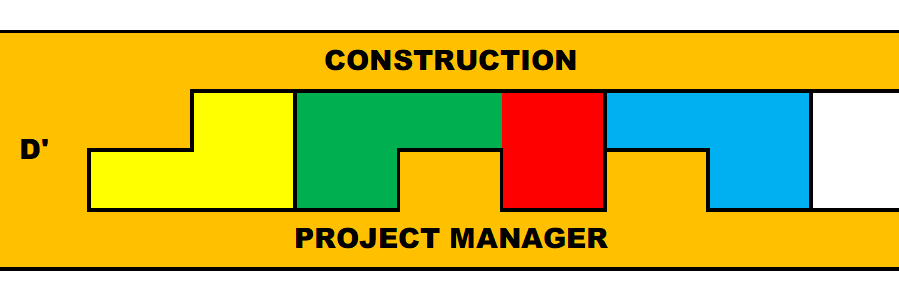
In an ideal world, every construction project would begin only after the final design is complete, coordinated, and fully documented. Every detail would be settled, every drawing finalized, and every specification locked in before the first shovel hits the ground. But in reality, many projects move forward with construction even while parts of the design are still evolving.
This approach—often referred to as “fast-tracking”—is increasingly common in today’s construction industry. It reflects the pressure to meet aggressive timelines, reduce time-to-market, and respond to financial or operational demands. While it offers clear advantages, it also introduces a unique set of challenges that project stakeholders must carefully manage.
Why Construction Starts Before Design is Finalized
The primary driver behind this approach is time. Owners and developers often face tight schedules, whether due to market competition, funding deadlines, or operational needs. By overlapping design and construction phases, projects can significantly shorten their overall duration.
For example, while the architectural design of upper floors may still be in progress, foundation work and structural elements can already begin. This parallel progression allows teams to “buy time” and accelerate delivery.
Additionally, early construction can help reveal practical challenges sooner. Sometimes, site conditions or constructability issues only become apparent once work begins. Addressing these early can improve later design decisions.
The Benefits of Building While Designing
One of the biggest advantages is speed. Projects can reach completion months earlier compared to the traditional linear approach of design-then-build.
There’s also potential for better collaboration. When contractors are involved early, they can provide input on materials, methods, and sequencing. This can lead to more practical and cost-effective solutions.
In some cases, early procurement of long-lead materials—such as structural steel or specialized equipment—can prevent delays later in the project.
The Risks and Challenges
However, starting construction without a fully completed design is not without consequences.
The most significant risk is rework. If design changes occur after construction has already begun, completed work may need to be modified or even demolished. This leads to additional costs, wasted materials, and potential delays.
There’s also the issue of cost uncertainty. Without a finalized design, it’s difficult to establish a fully accurate budget. This can result in cost overruns if assumptions made early on do not align with the final design.
Coordination becomes more complex as well. Designers, contractors, and project managers must communicate constantly to ensure that evolving plans align with ongoing construction activities. Any breakdown in communication can lead to errors on site.
Managing the Process Effectively
To successfully implement this approach, strong project management is essential. Clear communication channels, well-defined responsibilities, and flexible contracts are critical.
Phased design releases are often used, where drawings are issued in packages (e.g., foundations, structure, interiors) rather than all at once. This allows construction to proceed in stages while design continues in parallel.
Risk-sharing mechanisms, such as contingency budgets and collaborative contract models, can also help manage uncertainty.
Ultimately, success depends on alignment among all stakeholders—owners, designers, and contractors must share a common understanding of the risks and work together proactively to address them.
Starting construction before finalizing the design is a strategic decision, not a shortcut. When managed properly, it can deliver significant time savings and foster collaboration. But without careful planning and coordination, it can just as easily lead to costly setbacks.
Like many aspects of construction, it’s a balance—between speed and certainty, efficiency and risk.
Starting construction while the design is still being finalized is like cooking a multi-course meal while you’re still deciding on parts of the recipe. You might begin preparing the dishes you’re sure about—like boiling pasta or grilling meat—while still figuring out the sauce or seasoning. This can save time and get the meal on the table faster, but if you later change the recipe, you might need to redo parts of what you’ve already cooked.