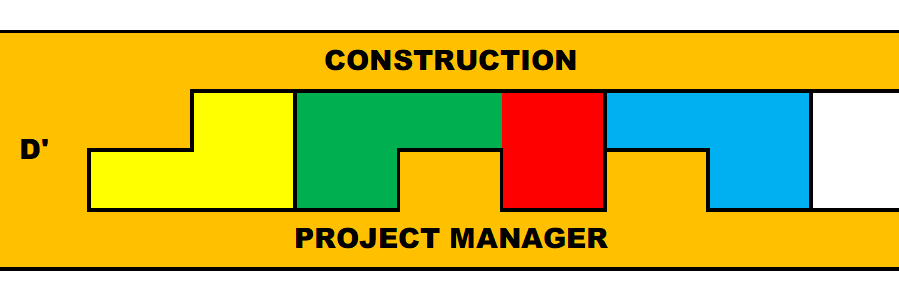
When it comes to construction, choosing the right project delivery method is as crucial as selecting the right location or materials. Traditionally, many projects follow the Design-Bid-Build method, where the design team first prepares the plans, contractors then bid, and only afterward does the building process begin. While this method has its positives, it often creates different understanding between designers and builders, leading to delays, miscommunication, and sometimes cost variations.
Enter the Design-Build Contract, a delivery method that integrates both the design and construction phases under a single entity. This unified approach offers several advantages that could significantly benefit your construction project.
Key Advantages of Design-Build
Streamlined Communication
Instead of juggling between architects, engineers, and contractors, the owner interacts with a single point of responsibility. This reduces miscommunication and ensures that everyone is aligned from the start.
Faster Project Delivery
Since design and construction services overlap, construction can begin while the final details of the design are still being worked out. This parallel process often results in earlier completion compared to the sequential nature of Design-Bid-Build.
Cost Certainty and Efficiency
With both design and construction managed under one roof, potential constructability issues are identified earlier. This proactive coordination minimizes costly changes and budget overruns.
Greater Collaboration and Innovation
When designers and builders work as one team, they can brainstorm solutions together, optimize materials, and innovate on both functionality and aesthetics without the the effect traditional methods may prevent.
Reduced Owner Risk
Because there is a single point of accountability, disputes between designer and contractor are minimized, leaving the owner less exposed to claims or finger-pointing when problems arise.
A Symphony
Think of a construction project like a symphony performance. In a Design-Bid-Build model, you might have one conductor for rehearsals (the designer) and a different conductor for the actual concert (the contractor). Even if both are talented, the handoff between them can lead to mixed signals, missed cues, and lack of harmony.
In contrast, the Design-Build model is like having one conductor leading the orchestra from start to finish. The same leader sets the tempo, coordinates the musicians, and ensures the music flows seamlessly. This unified direction produces a more harmonious, efficient, and powerful performance, just like how a Design-Build approach can deliver a smoother, faster, and more cost-effective construction project.