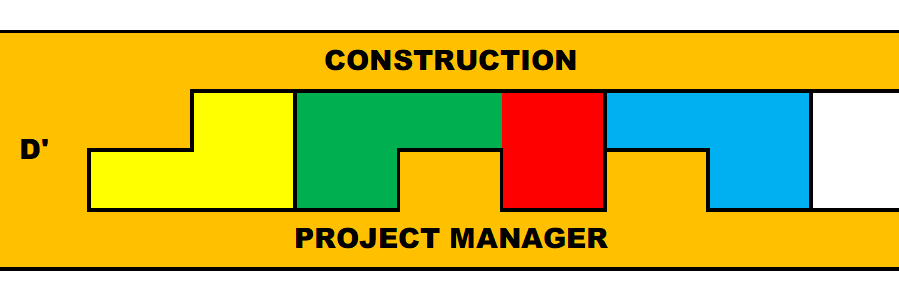
In construction projects, the bidding process is one of the most important phases that determines both cost efficiency and project success. Owners and managers often focus on shortlisting quickly to move forward, but there is a hidden risk when the list narrows down too much. Ensuring that more than three bidders remain in contention is crucial to avoid the possibility of a failed bid.
Why More than Three?
Prevents Bid Failure
If only two or three bidders remain and one gets disqualified due to technical non-compliance, or worse, decides to withdraw, the entire bidding round can collapse. This situation often leads to delays, re-bidding, and unnecessary costs.
Maintains Healthy Competition
The essence of bidding is competitive pricing and quality proposals. A pool of more than three ensures contractors remain engaged and competitive, providing the owner with stronger options in both cost and technical approach.
Safeguards Project Timelines
A failed bid means revisiting the entire tender process, from advertising to evaluation. This can push project timelines back by months. Maintaining a wider pool of bidders acts as insurance against such setbacks.
Strengthens Negotiation Position
Having more than three viable bidders allows project owners to negotiate from a position of strength. Options create leverage—not just in pricing but also in contract terms and delivery commitments.
Building a Bridge
Imagine planning a construction project like building a bridge. You wouldn’t design it with only three supporting columns if the load required more. If one column weakens, the entire structure risks collapse. But if you have multiple supports, the bridge stands firm even if one fails.
Similarly, in the bidding process, more than three bidders act as the “supporting columns” that uphold the integrity of procurement. The broader the base, the stronger the foundation for a successful project award.
In construction, where every delay costs money and every failed process strains resources, ensuring that more than three bidders remain in contention is not a matter of preference: it’s a strategic necessity. It’s about protecting timelines, ensuring competitiveness, and safeguarding the project from the risks of a failed bid.