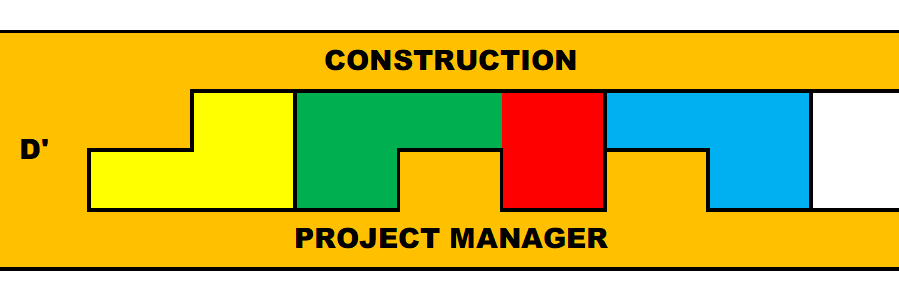
In any construction project, clarity is the foundation that ensures smooth execution. Among the most critical factors that shape this clarity is the proper definition of stakeholders’ roles and responsibilities. From the owner and construction manager to the architect, engineers, and contractors, each stakeholder’s involvement directly influences how bidders interpret the scope of work, risks, and expectations.
When bidders evaluate a project, they are not only pricing materials and labor—they are assessing accountability, coordination, and decision-making pathways. Ambiguity in roles can create gray areas that bidders often translate into higher contingencies, conservative allowances, or even disputes during execution. On the other hand, when responsibilities are clearly defined, bidders gain confidence in the project’s structure, enabling them to provide more accurate, competitive, and realistic proposals.
Key Roles and Why They Matter?
Project Owner – Sets the vision, defines priorities, and establishes the project’s financial and operational framework. Bidders want assurance that decisions from the owner are timely and consistent.
Construction Manager (CM) – Serves as the owner’s representative, ensuring coordination across all stakeholders. For bidders, a strong CM means a well-managed project with reduced risk of miscommunication.
Architect and Engineers – Provide technical clarity through drawings and specifications. Any vagueness here becomes a bidder’s headache, often resulting in inflated pricing to cover for design uncertainties.
Contractors and Subcontractors – Responsible for execution, but they need clear lines of accountability. If contractors know exactly what is expected of them versus what belongs to the owner or designer, pricing and schedules become more accurate.
Regulatory Agencies – Their role in compliance and permitting is vital. Bidders must know who shoulders responsibility for regulatory coordination to avoid costly delays.
The Ripple Effect on Bidding
When stakeholder responsibilities are blurred, bidders may hesitate to commit or pad their bids to hedge against risk. This does not just increase project cost—it undermines trust. Conversely, when stakeholders’ roles are well-defined and communicated, bidders are able to channel their energy into innovation, efficiency, and value engineering instead of guesswork.
Organizing a Symphony
Imagine a construction project as a symphony. The project owner is the composer, setting the vision of the music. The construction manager is the conductor, ensuring every musician stays in harmony. The architects and engineers are the sheet music writers, translating the vision into readable notes. The contractors are the musicians, playing their instruments with precision, while the regulatory agencies act as the audience and critics ensuring the performance adheres to standards.
If any role is unclear—the conductor unsure of the score, the musicians unsure of their cues—the symphony collapses into noise. But when each participant understands their role, the result is a masterpiece.
This type of clarity in roles is what every bidder looks for. It gives them the confidence that the project is not just another construction site, but a well-orchestrated performance they can be proud to be part of.