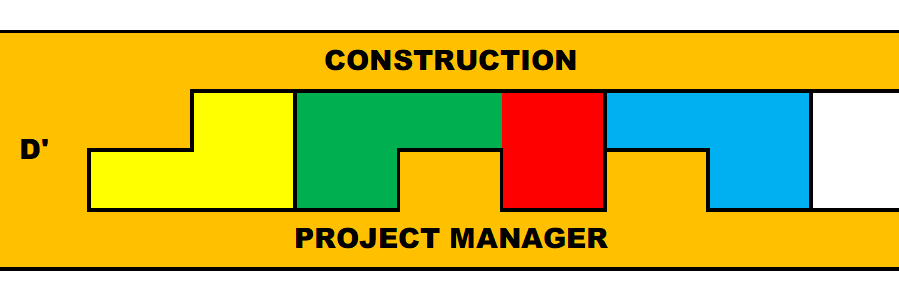
In the world of construction procurement, a “failed bid” is more than just an inconvenience: it is a signal that something fundamental didn’t align between the project requirements and the market’s ability or willingness to deliver. Whether it leads to re-bidding, redesign, or project delays, a failed bid carries both time and cost implications for project owners and stakeholders.
But why do bids fail in the first place? The reasons are often layered, combining technical, financial, and behavioral factors.
What is a Failed Bid?
A failed bid occurs when a tender process does not result in a successful award. This may happen when:
- No bidders submit proposals
- All submitted bids are deemed non-responsive
- Bid prices significantly exceed the owner’s budget
- Bidders withdraw or decline post-submission
Common Reasons Behind Failed Bids
1. Unrealistic Owner Budget
One of the most frequent causes is a mismatch between the owner’s cost expectations and current market conditions. Inflation, supply chain volatility, and labor shortages can drive prices beyond initial estimates.
2. Incomplete or Ambiguous Design Documents
When drawings and specifications lack clarity, bidders face uncertainty. This leads to either inflated pricing (to cover risk) or outright refusal to bid.
3. Overly Restrictive Requirements
Strict qualifications, proprietary specifications, or limited approved suppliers can discourage competition, resulting in too few—or no—qualified bidders.
4. Poor Risk Allocation
Contracts that transfer excessive risk to contractors (e.g., undefined scope, unreasonable penalties, or unclear responsibilities) often push bidders away or lead to non-compliant submissions.
5. Insufficient Bid Preparation Time
Rushed timelines prevent bidders from conducting proper quantity takeoffs, supplier coordination, and risk assessment, leading to either non-participation or weak proposals.
6. Market Conditions and Contractor Workload
In a “contractor’s market,” where firms are already busy, they tend to prioritize projects with clearer scope, better margins, and lower risks.
7. Lack of Engagement During Pre-Bid Stage
When owners or consultants fail to address bidder queries effectively, it creates confusion and reduces confidence in the project.
8. Bidder Misalignment or Strategic Withdrawal
Some bidders initially participate but later withdraw due to internal reassessment, financial constraints, or realization that the project is not viable.
The Group Dinner Plan
Imagine organizing a group dinner where you invite several friends to contribute to a shared meal.
- You set a strict budget that doesn’t match current food prices.
- You provide a vague menu (“just bring something nice”).
- You insist on using only specific ingredients from a hard-to-find store.
- You give everyone only a few hours to prepare.
What happens?
Some friends won’t show up. Others may bring something incomplete or unsuitable. In the end, the dinner either falls apart or needs to be reorganized.
A failed bid works the same way: when expectations, clarity, and conditions are misaligned, participation and outcomes suffer.
How to Prevent Failed Bids
While not all failures can be avoided, many can be mitigated through better preparation:
- Align budget with market reality through updated cost estimates
- Complete and coordinate design documents before tender
- Balance risk fairly between owner and contractor
- Allow adequate bidding time
- Encourage open communication during pre-bid meetings
- Review qualification requirements to ensure healthy competition
A failed bid is rarely caused by a single issue—it is usually the result of compounded misalignments between project expectations and market conditions. Rather than viewing it as a setback, it should be treated as feedback: an opportunity to recalibrate the project approach, refine documentation, and re-engage the market more effectively.
Failed bids occur when project requirements, budget, and market conditions do not align. Common causes include unrealistic budgets, unclear design, excessive risk transfer, and limited bidder engagement. Like a poorly planned group dinner, lack of clarity and unrealistic expectations discourage participation. With better preparation, communication, and alignment, project owners can significantly improve the chances of a successful bidding outcome.